
When sourcing Stainless Steel Sheet Coils for various applications, it's vital to understand their specifications to meet specific needs. This article will outline key specifications, highlighting data on thickness, width, grades, and finishes that all contribute to your purchasing decisions. Buyers often face challenges in locating precise specifications, which can hamper their project timelines. We aim to clarify these specifications, enabling you to select the right products efficiently.
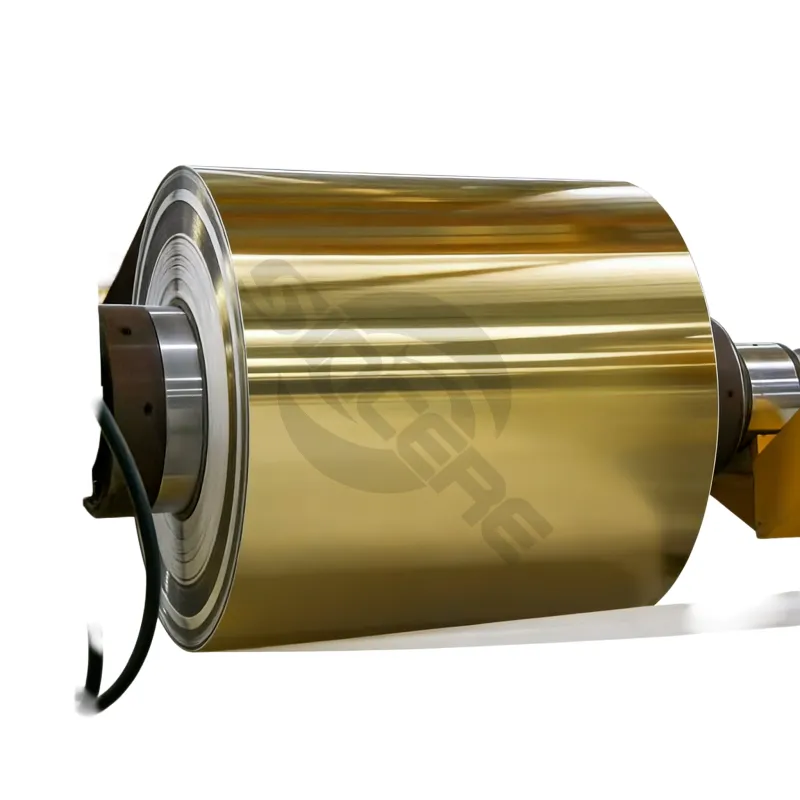
1.1 Thickness
Thickness is a critical factor in the performance of stainless steel sheet coils. Common thicknesses range from 0.3mm to 25mm. The choice depends on both the application and industry standards.
1.2 Width
Widths typically range from 1000mm to 2000mm, though custom sizes are frequently available. It's essential to determine the width that fits your production needs.
1.3 Grades
Stainless steel comes in various grades, each with different properties. The most common grades for sheet coils include AISI 304, AISI 316, and AISI 430. Understanding these grades will help you select the right material fit.
1.4 Finishes
Different finishes like #1, #2B, and #4 provide varying aesthetics and corrosion-resistant properties, impacting suitability for various applications.
Stainless steel sheets typically undergo ASTM specifications ensuring quality. Common thickness requirements can be seen in the table below.
| Thickness (mm) | Application | Industry Standard |
|---|---|---|
| 0.3 - 1.0 | Lightweight products | ASTM A240 |
| 1.0 - 3.0 | General applications | ASTM A240 |
| 3.0 - 25.0 | Heavy-duty use | ASTM A240 |
2.1 Application Requirements
The way stainless steel coils are used significantly impacts specifications. For instance, food processing applications often require higher corrosion resistance than architectural applications.
2.2 Environmental Conditions
Environmental factors such as humidity and exposure to chemicals play a role in determining the appropriate grade and finish.
2.3 Cost Considerations
Understanding the specifications can lead to better cost-efficiency without compromising on quality.
| Grade | Nickel Content | Corrosion Resistance |
|---|---|---|
| AISI 304 | 8% | High |
| AISI 316 | 10% + Molybdenum | Very High |
| AISI 430 | 0% | Moderate |
For marine applications, AISI 316 is preferred due to its superior corrosion resistance properties. It has applications in shipbuilding and offshore structures.
Choosing the correct stainless steel sheet coil involves several steps:
Step 1: Define your application needs.
Step 2: Consult with specifications.
Step 3: Compare different grades and finishes.
Step 4: Evaluate costs versus benefits.
Step 5: Make your purchase decision.
In conclusion, understanding stainless steel sheet coil specifications is essential for making informed purchasing decisions and ensuring suitability for specific applications. Knowledge about thickness, width, grades, and finishes equips buyers to navigate challenges efficiently and facilitates faster project timelines.
Sincere is committed to providing comprehensive specifications to support your purchasing process. Reach out for more details on our product offerings and custom requirements.
A: Stainless steel sheet coils generally have thicknesses ranging from 0.3mm to 25mm, depending on the application and industry standards.
A: Choosing the right grade involves understanding your application needs. Common grades include AISI 304 for moderate corrosion resistance and AISI 316 for high corrosion resistance, especially in marine environments.
A: Yes, while standard widths range from 1000mm to 2000mm, custom sizes can often be provided to meet your specific production requirements.
A: Consider application requirements, environmental conditions, cost efficiency, and the specific grades and finishes that meet your project needs.
A: For food processing applications, it is crucial to choose a grade with high corrosion resistance, such as AISI 316, and to consider the appropriate finish that meets relevant hygiene standards.


