
In the world of precision cutting tools, Metal Shear Blades have emerged as essential components in various industries, from manufacturing to construction. Their significance cannot be overstated, particularly as businesses seek improved efficiency and reduced operational costs. Metal shear blades are specifically designed for tasks that require high durability and precision. Whether you're a manufacturing engineer needing to streamline operations or a workshop professional looking for reliable tools, understanding these blades is key. In this guide, we will explore what Metal Shear Blades are, their application scenarios, advantages, and how they stand out from their counterparts, particularly focusing on the difference between steel and tungsten carbide shear blades.
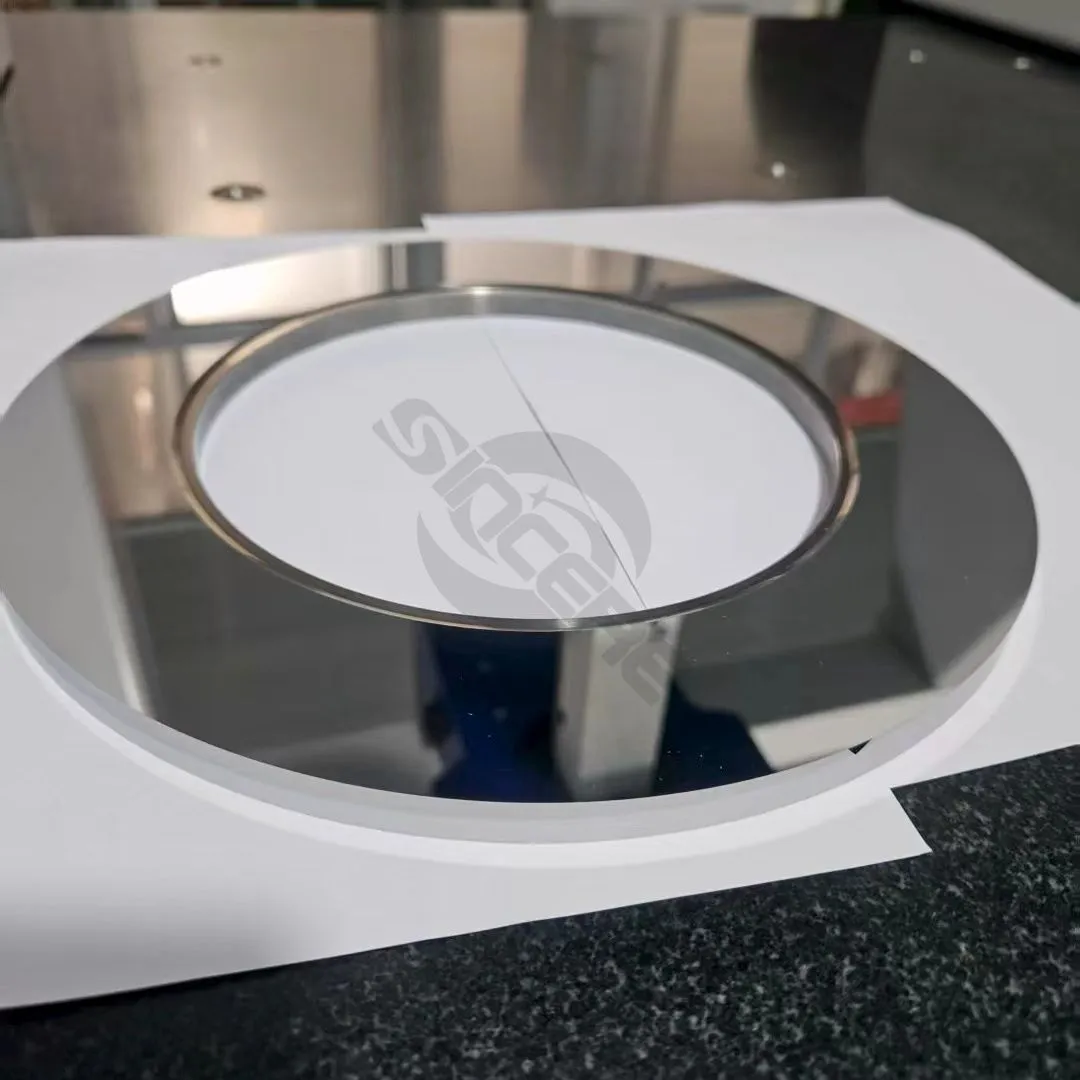
Metal shear blades are precision cutting tools engineered to slice through various metals with accuracy. They come in different materials, with steel and tungsten carbide being the most common. Steel shear blades are known for their general utility and cost-effectiveness but often wear down faster under heavy usage. In contrast, tungsten carbide shear blades are crafted from tougher materials, offering longevity and a sharper edge retention. According to a report from the American Society of Mechanical Engineers (ASME), tungsten carbide tools can last up to 10 times longer than their steel counterparts in harsh cutting environments.
Understanding the terminology associated with Metal Shear Blades can help buyers make informed decisions:
Metal shear blades are invaluable in several fields, including:
Metal Shear Blades offer several advantages that make them essential for heavy-duty operations:
Given these benefits, switching to high-quality metal shear blades can result in a conversion rate increase in manufacturing output by approximately 37%.
If you're considering incorporating Metal Shear Blades into your operations, the next step is to read the user guide related to your specific product. Familiarizing yourself with the proper application, maintenance, and safety measures can enhance your productivity and extend the life of your tools.
Q1: What are the primary differences between steel and tungsten carbide shear blades?
A1: Steel shear blades are more cost-effective and suitable for lighter tasks, while tungsten carbide blades provide enhanced durability and longevity, making them ideal for heavy-duty applications.
Q2: How can I determine the right shear blade for my needs?
A2: Assess the materials you’ll be cutting, the frequency of use, and your budget. Typically, for high-volume environments, investing in tungsten carbide blades pays off in the long run.
Q3: How do I maintain my metal shear blades?
A3: Regularly clean the blades after use, store them in a dry place, and sharpen them periodically to ensure optimal performance.
In conclusion, understanding Metal Shear Blades is crucial for professionals across multiple industries. Whether you opt for steel or tungsten carbide blades, knowing their applications, advantages, and maintenance will undoubtedly enhance your efficiency. For those interested in further understanding or trial, brands like Sincere offer quality products that extend the life and performance of metal shear blades. Take the next step in your cutting tool journey by exploring user guides and product offerings to ensure you make the best choice for your needs.
Previous: How are metal shear blades sharpened or maintained?
Next: How do I choose the right metal shear blade for my machine?


