
When considering the price of Stainless Steel Sheet Coil per kg, many overseas buyers and distributors often encounter several challenges as fluctuating market conditions and varying product quality can affect pricing. In this article, we will explore the critical factors that influence stainless steel prices, discuss current trends, and provide a comprehensive analysis of what to expect in the marketplace.
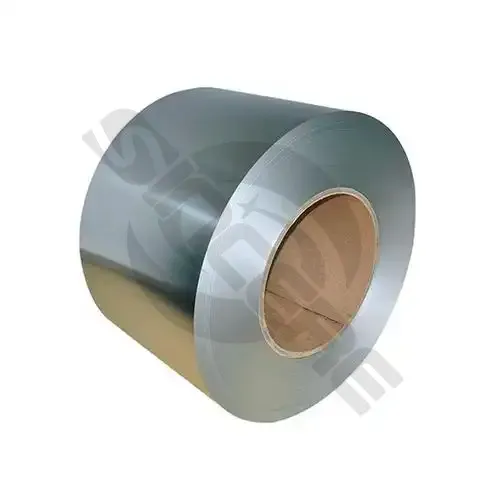
The price of stainless steel sheet coil is primarily driven by the costs of raw materials, mainly nickel and chromium. These metals play a significant role in determining the final cost of the product.
Global supply and demand for stainless steel coils fluctuate significantly. An increase in demand from various industries can drive prices upwards, while an oversupply in the market can lead to price decreases.
As an international trade-focused business, currency fluctuations can greatly impact the pricing of stainless steel. Buyers in different countries must consider the conversion rates when purchasing.
Costs associated with production, including energy prices and labor, along with logistics expenses for transportation, also have a ripple effect on the final pricing.
Broader economic conditions, including trade policies and tariffs, influence stainless steel prices. Keeping an eye on market trends helps anticipate potential pricing changes.
To provide a clearer perspective, we have compiled a table showing average prices per kg of stainless steel sheet coils over the past year, reflecting market fluctuations.
| Month | Price (USD/kg) |
|---|---|
| January 2023 | 2.50 |
| February 2023 | 2.55 |
| March 2023 | 2.45 |
| April 2023 | 2.40 |
| May 2023 | 2.65 |
| June 2023 | 2.60 |
Before making a purchase, conducting thorough market research is essential. This includes checking quotes from multiple suppliers and comparing product specifications.
Different grades of stainless steel (like 304 and 316) offer varying properties and prices. Understanding these differences ensures that you are purchasing the right product for your application.
Working with reliable suppliers fosters trust and may lead to better pricing over time. Establishing a strong relationship can facilitate negotiations and securing bulk discounts.
In summary, the price of stainless steel sheet coil per kg is influenced by a multitude of factors. As a buyer in the global market, being informed about these elements is vital to making cost-effective purchasing decisions. By understanding raw material costs, supply and demand dynamics, and conducting market research, you can better navigate the complexities of pricing. For further inquiries about our products and latest pricing information, Sincere is here to assist you.
For visual reference, here is a graphical representation of the pricing trends observed over time.
Ultimately, staying updated with market trends helps ensure that you are making informed decisions regarding stainless steel sheet coil purchases. Regular reviews of your pricing strategy against current market conditions will serve to optimize costs and meet your supply requirements effectively.
A: The price is influenced by raw material costs, supply and demand dynamics, currency exchange rates, production and transportation costs, and broader economic conditions.
A: Conduct thorough market research, compare quotes from multiple suppliers, and understand the specific grades and their properties to ensure you are making informed decisions.
A: Common grades include 304 and 316, each offering different properties and applications which can significantly affect their pricing. It's essential to choose the right grade for your needs.
A: Building a strong relationship can lead to better negotiation opportunities, trust, and potentially securing bulk discounts over time.
A: Keep track of market trends, review your pricing strategy periodically, and consult with suppliers to optimize your costs and meet supply requirements effectively.


