
Operating a metal shear machine can be daunting for many, especially for those who are new to metalworking. Users often encounter challenges like ensuring safety while maximizing efficiency with Metal Shear Blades. Have you ever felt anxious about handling heavy machinery? You're not alone. Many operators face the risk of accidents, while others struggle with misaligned cuts, resulting in wasted material. Here we will address these challenges directly and provide competent solutions that not only ensure safety but enhance performance with the right metal shear blades.
Before stepping into the workshop, it is crucial to gather your materials and tools. Here’s a checklist:
Follow these easy-to-understand steps to operate the metal shear machine safely:
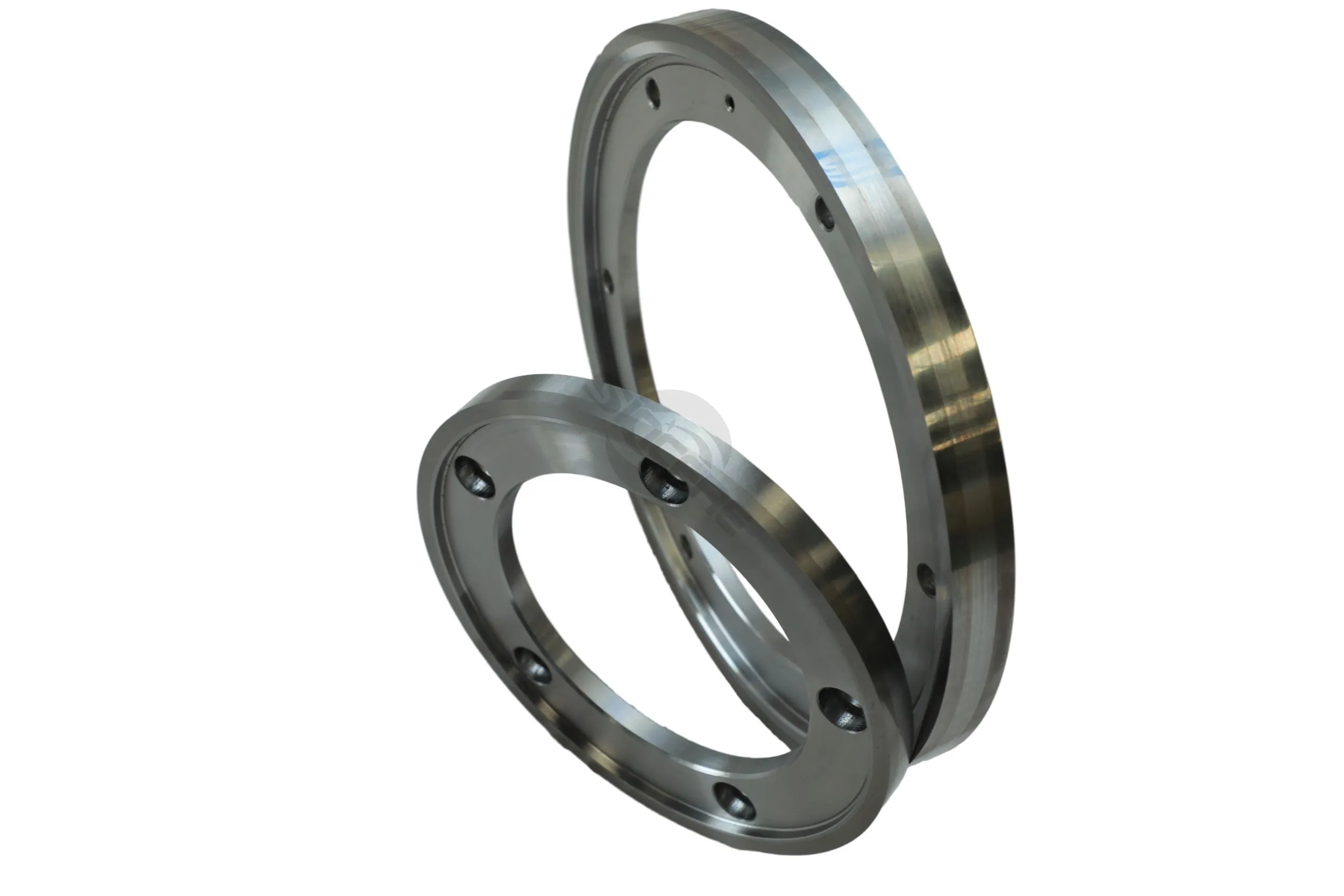
Addressing typical mistakes can improve your safety and efficiency:
Inappropriate Blade Settings: Always check the blade gap according to the thickness of the metal. A gap that is too tight can damage both the shear blade and the material.
Improper Handling: Always grip the metal securely during cutting. Use both hands if necessary to maintain control.
Neglecting Maintenance: Ensure regular checks and maintenance of your shear blades, as dull blades can lead to jagged cuts and increase the risk of injury.
In conclusion, safely operating a metal shear machine involves preparation, correct operation techniques, and awareness of common pitfalls. By following the steps and ensuring you have the right metal shear blades, such as those provided by Sincere, you enhance not only your safety but also the quality of your work. Always practice patience and precision in every cut, as this will lead to satisfactory results.
Look for features like emergency stops, blade guards, and sensors that prevent operation when safety requirements aren't met.
It depends on usage. Regularly inspect the blades, and consider sharpening or replacing them once you notice dullness affecting cut quality.
Yes, but ensure the shear machine can handle different gauges and types of metal. Always refer to the manufacturer’s specifications when switching materials.
Previous: How often should metal shear blades be replaced?
Next: Can metal shear blades cut aluminum, copper, or stainless steel?


